
Ultimate Foundation Repair Products For Addressing Settlement Issues
Explore comprehensive repair solutions tailored to fix foundation settlement and stabilize your property effectively.
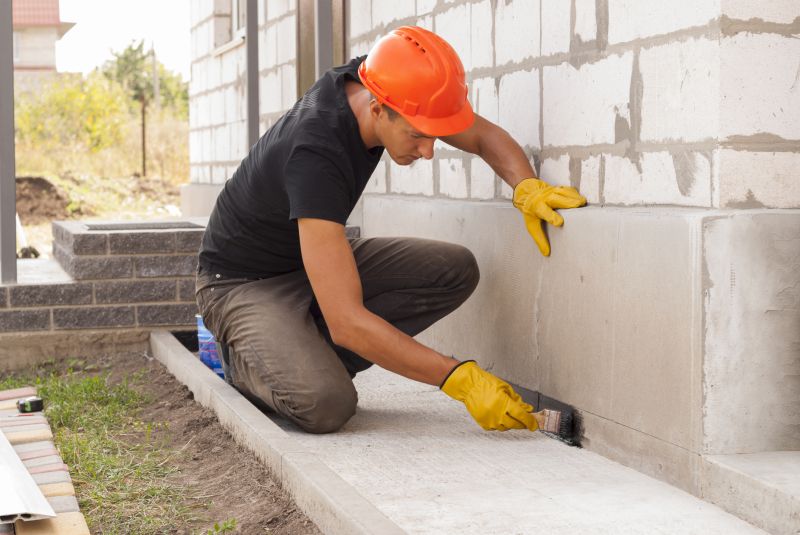 Foundation repairs are a critical aspect of maintaining the structural integrity of a building, especially in regions like Huntsville, AL where soil conditions and weather patterns can influence foundation stability. The variety of products available for foundation repair includes options tailored for different types of issues, such as settling, cracking, or shifting. These products are designed to reinforce, lift, or stabilize foundations, helping to prevent further damage and ensuring the safety of the structure.
Top Overall Option
Hydraulic Piering System
A hydraulic piering system offers a versatile approach to foundation stabilization by using hydraulic jacks to lift and support sinking or settling foundations. This method is adaptable for various soil conditions and foundation types, providing a controlled and precise solution. Proper installation by experienced professionals can help address common foundation issues effectively, making it a widely used choice in foundation repair projects.
Types of Products For Foundation Repairs
Helical Piers
Helical piers are screwed into the ground to provide support for unstable foundations, especially in areas with challenging soil conditions.
Push Piers
Push piers are driven into the soil beneath the foundation to lift and stabilize structures experiencing settlement.
Slab Jacking
This technique involves injecting a grout mixture beneath a concrete slab to lift and level it, often used for sidewalks and driveways.
Polyurethane Foam Injection
A quick and minimally invasive option that involves injecting foam to fill voids and lift sunken concrete or stabilize soil.
Underpinning Piles
Piles are driven deep into the ground to provide additional support for foundations experiencing significant movement.
Concrete Crack Repair Products
Specialized sealants and fillers designed to repair and prevent further cracking in foundation walls and slabs.
Carbon Fiber Reinforcement
Reinforcement strips used to strengthen cracked or bowing foundation walls, providing additional stability.
Soil Stabilization Products
Chemical or mechanical solutions aimed at improving soil bearing capacity around the foundation.
Foundation Anchors
Anchors installed into the soil and attached to the foundation to resist lateral movement and bowing.
Grout and Epoxy Injections
Used to fill voids and seal cracks, helping to restore the integrity of foundation elements.
Steel Push Piers
Heavy-duty steel piers driven into the ground to provide long-term support for heavily settled foundations.
Foundation Repair Braces
Braces installed to stabilize walls and prevent further cracking or bowing.
Drainage and Waterproofing Products
Systems designed to divert water away from the foundation, reducing soil pressure and moisture-related issues.
Vapor Barriers
Installed beneath slabs to prevent moisture infiltration, which can affect soil stability.
Foundation Ventilation Systems
Improve air circulation around the foundation to reduce moisture buildup and related problems.
Popular Choices
Widely used for their ability to lift and stabilize foundations with controlled force.
Favored for quick repairs and minimal disruption, suitable for small to moderate settling issues.
A common method for strengthening cracked basement walls and preventing further bowing.
Popular for their adaptability in various soil conditions and ease of installation.
Frequently used for sealing minor cracks and preventing water intrusion.
Chosen for significant foundation support needs, especially in deep or problematic soils.
Essential for managing water flow around the foundation to reduce pressure and moisture issues.
Effective for stabilizing bowing or leaning foundation walls.
Commonly used for repairing structural cracks in concrete and masonry.
Popular for moisture control beneath slabs and crawl spaces.
Used to reinforce sagging or uneven floors caused by foundation issues.
Applied to foundation walls to prevent water seepage and related damage.
Often selected for improving soil strength around foundations.
Comprehensive solutions for managing water intrusion and moisture problems.
Used to prevent further bowing or cracking in basement walls.
When considering foundation repair products, it is important to understand the specific needs of your property. Some solutions are suitable for minor cracks and superficial stabilization, while others are engineered for more severe issues requiring significant lifting or underpinning. Proper assessment by a professional can help determine the most appropriate products and methods for your situation.
Many foundation repair products are engineered to work with common soil and foundation types found in the Huntsville area. From hydraulic piers to polyurethane foam injections, each product type offers different advantages depending on the nature and extent of the foundation problem. Selecting the right product involves evaluating factors such as load capacity, ease of installation, durability, and compatibility with existing structures.
Investing in quality foundation repair products can contribute to the longevity and safety of your property. It is advisable to consult with experienced contractors or specialists who can recommend suitable solutions based on a thorough inspection. Properly applied, these products can help mitigate further damage and maintain the structural health of your home or commercial building.
Key Buying Considerations
- Identify the specific foundation issues, such as cracking, settling, or bowing, to select appropriate products.
- Assess the soil conditions and underlying causes of foundation movement to choose compatible solutions.
- Determine the load-bearing requirements and weight capacity of the repair products.
- Consider the extent of the damage and whether a temporary or permanent fix is needed.
- Evaluate the ease of installation and whether professional assistance is required.
- Review the durability and resistance of products to soil moisture, corrosion, and other environmental factors.
- Check for compatibility with existing foundation materials and construction types.
- Understand the expected lifespan of the repair products and maintenance needs.
- Consider the potential impact on property value and future repairs.
- Ensure that the selected products meet local building codes and regulations.
- Look for products that offer versatility for different foundation types and issues.
- Evaluate the safety features and installation procedures to prevent accidents.
- Review customer feedback and product warranties for added confidence.
- Estimate the overall project budget, including labor and materials.
- Consult with foundation repair specialists to get tailored recommendations.